
Choose a finish
Compare matte, satin, radiant, and sheer effects according to preference rather than trend pressure.
Color, finish, expression
An edited view of complexion, color, tools, and the quiet pleasure of a beautifully considered makeup routine.
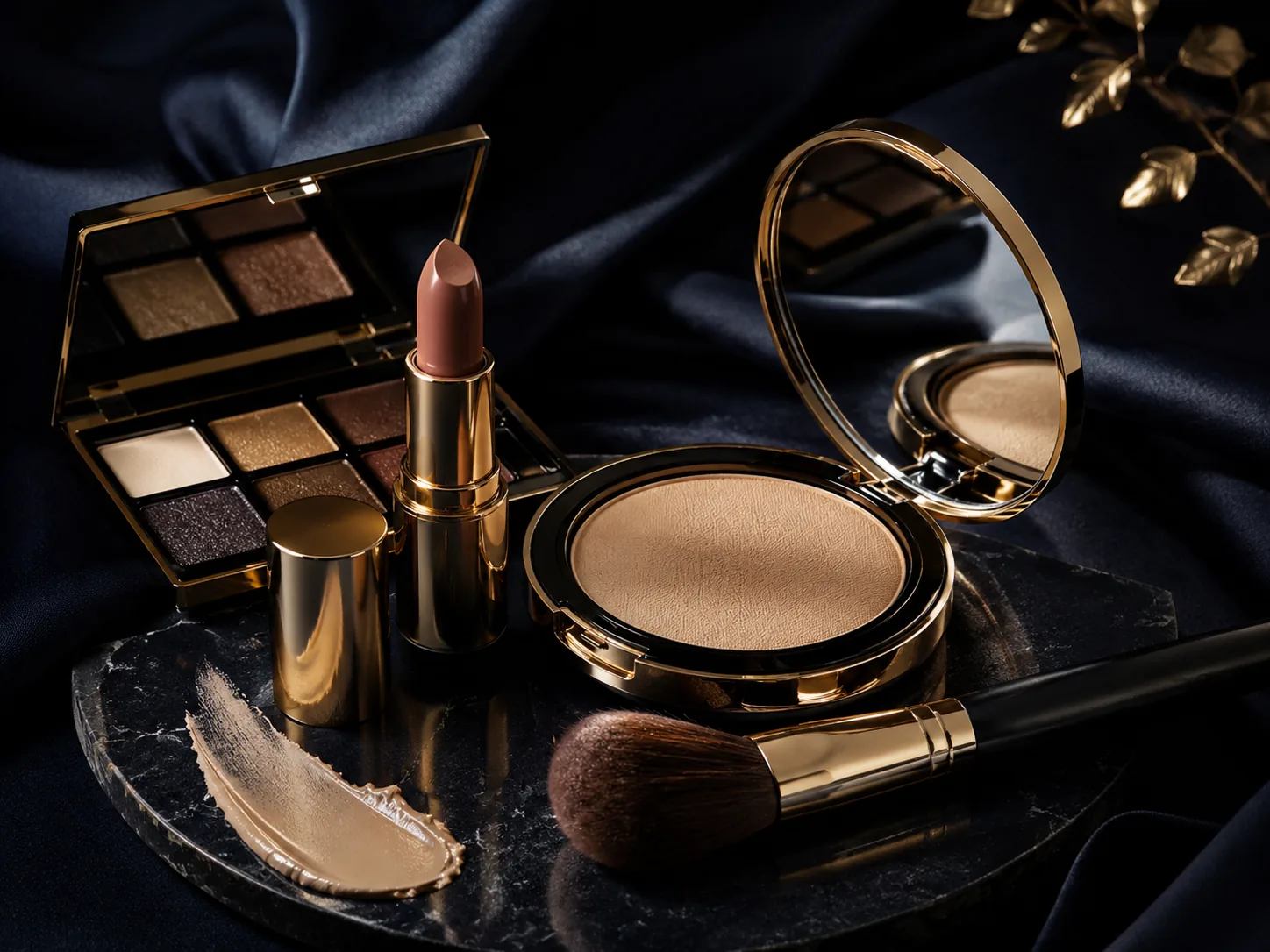
Luxury makeup can be tactile, expressive, and deeply personal. Our coverage begins with the experience of use: how a texture behaves, how a finish changes in different light, how packaging supports a routine, and whether a product brings something distinct to an existing collection. The goal is a wardrobe that feels deliberate rather than crowded.
We approach premium makeup as both a functional object and a creative one. Formula, shade context, application, wear expectations, and design all matter, but none should be inflated into a universal promise. A refined product can still be wrong for a particular preference, skin feel, or routine.
Instead of treating every launch as essential, this desk favors comparison and editing. Readers should be able to tell whether they need a new category, a different finish, or simply a better understanding of what they already own.
Color, control, application
Three lenses for building a capsule face: decide how skin should look, then let shades, textures, and tools follow.
Compare matte, satin, radiant, and sheer effects according to preference rather than trend pressure.
Build a smaller set of useful shades, textures, and tools that work together with less duplication.
Consider application, packaging, portability, refill options, and the pleasure of repeated use.
From the makeup desk
Guides for an edited makeup collection: complexion finishes, capsule building, and the tools that change application more than the shade ever will.
A practical edit for choosing fewer premium makeup products that work together across ordinary and expressive looks.

A practical buying guide for choosing a lighted vanity mirror that supports makeup application without turning the setup into clutter.
A finish-first guide to selecting complexion makeup without assuming radiant is youthful, matte is flat, or satin suits everyone.
How we judge a product
Makeup coverage describes finish and wear in plain language, keeps skin-type context visible, and never treats a luxury casing as proof of a better formula.
We describe texture and visual effect without implying that one result suits every complexion.
We look for products and techniques that can move between quiet daily wear and more expressive moments.
We ask whether design, performance expectations, and usability justify attention at a luxury position.
Where to begin
Start with the effect you enjoy seeing and the application ritual you are willing to repeat. A capsule collection becomes easier to build when the goal is specific: a polished complexion, a flexible eye edit, a reliable lip wardrobe, or a small set of tools that improve control.
Define preferred coverage, finish, color temperature, and level of polish before comparing individual formulas.
Place similar shades and textures together so a new purchase has to offer a clear difference.
Consider whether the product works with your brushes, fingertips, available time, and usual preparation.
The makeup guides connect finish, formula, and use rather than assume the newest release is automatically more refined. The enduring question is whether an item helps create the result you want with greater ease, pleasure, or versatility.