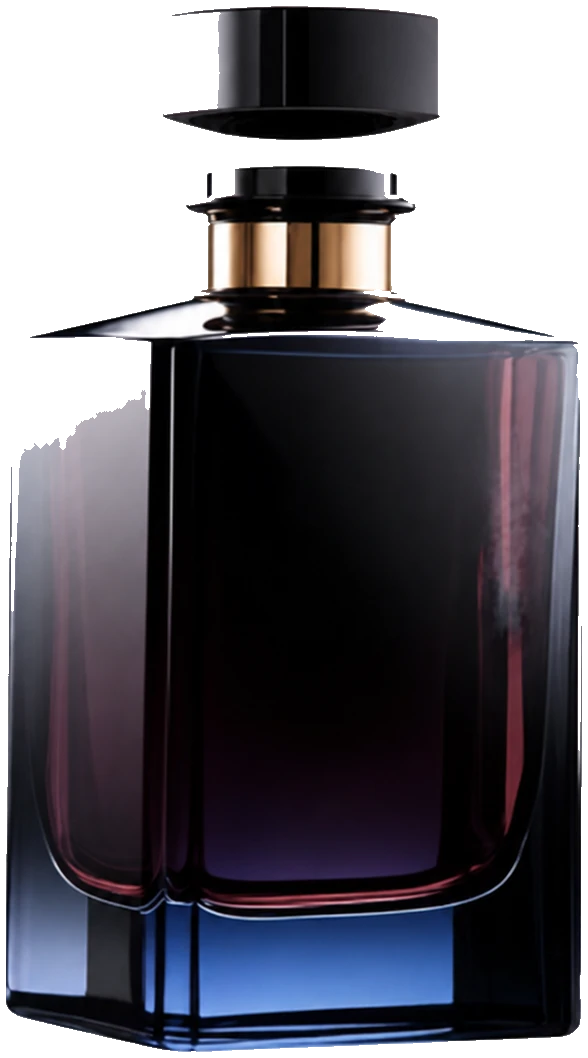
Fresh & Citrus
Bright, clean and energetic.
Guides coming soon43.66° N · 6.92° E — Grasse
The fragrance desk
Explore fragrance families, ingredients, origins, and rituals through a considered guide to modern perfumery.
Origins / Atlas preview
From jasmine fields in Grasse to sandalwood traditions in Mysore, fragrance begins with place. Open the Fragrance Atlas to see all six origins on the map.
Jasmine, rose and tuberose
Read the origin guideBergamot and citrus
Read the origin guideLemon, bitter orange and blossom
Read the origin guideOud, amber and incense
Read the origin guideSandalwood and jasmine
Read the origin guideVanilla and exotic florals
Read the origin guideA first direction
Families are a starting point rather than a verdict. Begin with the atmosphere you enjoy, then notice how individual compositions change it.
Bright, clean and energetic.
Guides coming soonRose, jasmine, iris and soft petals.
Guides coming soonSandalwood, cedar and vetiver.
Guides coming soonWarm resins, vanilla, incense and spice.
Guides coming soonSweet, edible notes with warmth and depth.
Guides coming soonHerbs, leaves and crisp natural accords.
Guides coming soonA more personal path
Answer a few questions about the moods, notes, seasons, and styles you enjoy. Your results will reveal a fragrance profile and carefully matched recommendations.
Eight concise questions. No email required and no products attached.
The fragrance library
Begin with published guides, then see the subjects currently being prepared for the fragrance desk.
Published guides

A role-based approach to collecting scent with more memory and less duplication.
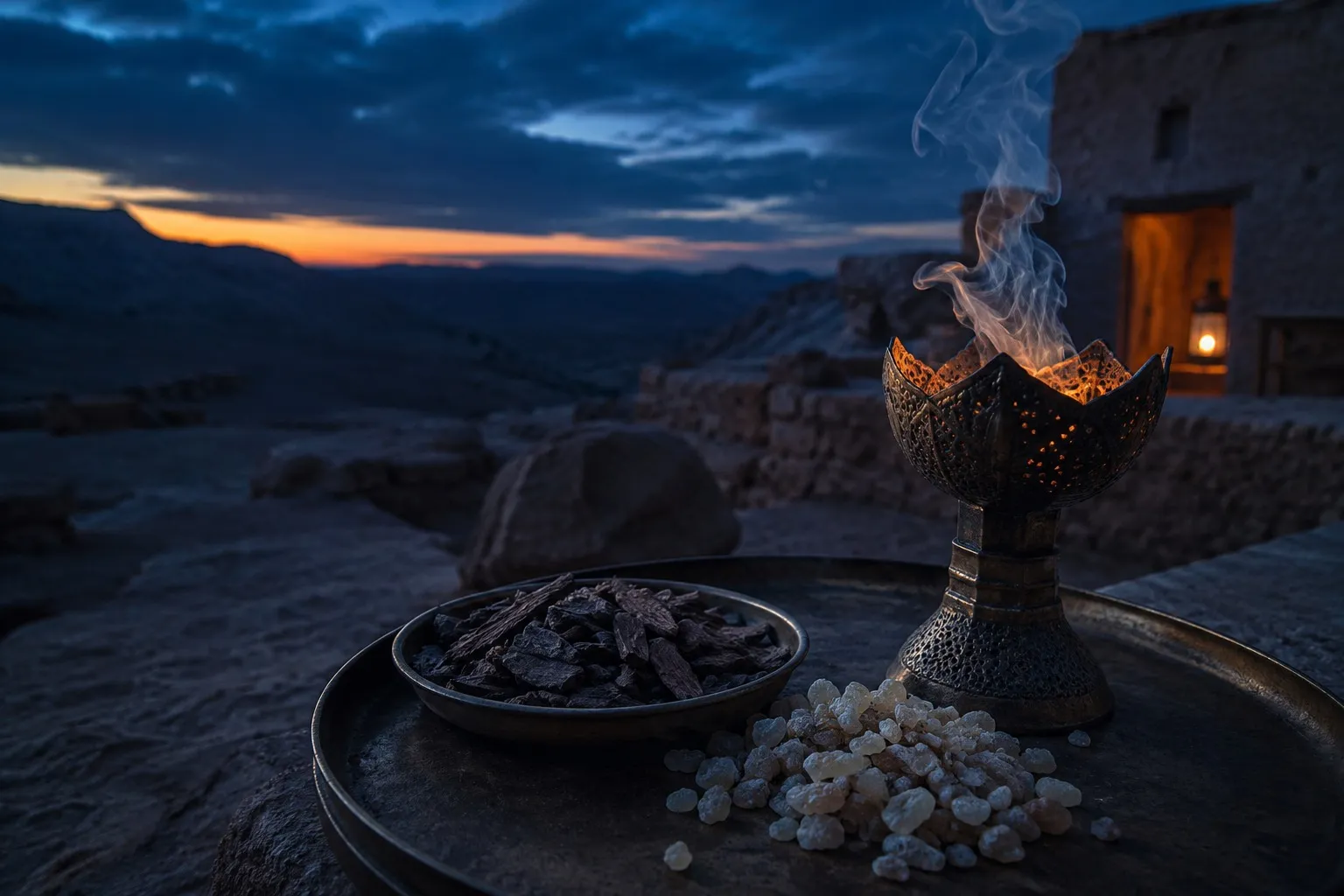
An origin guide to the Arabian Peninsula, where oud, frankincense, and amber belong to a living culture of layered scent. How a region became perfumery's deepest tradition of wearing fragrance — and where to go next if this is your kind of scent.
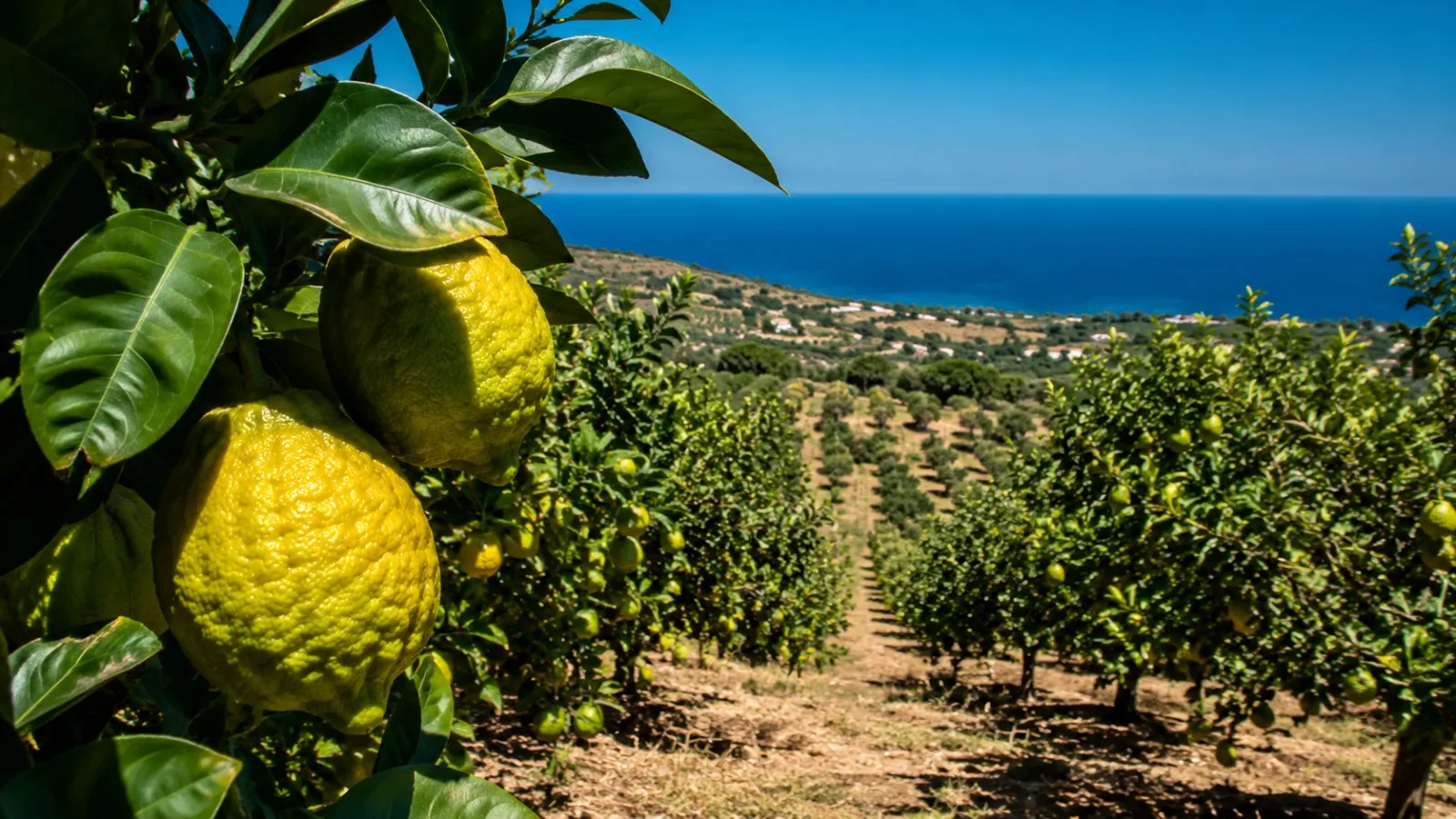
An origin guide to Calabria, the narrow coastal strip in southern Italy where nearly all of the world's bergamot is grown. How a bitter citrus nobody eats became the backbone of fresh perfumery — and where to go next if this is your kind of scent.
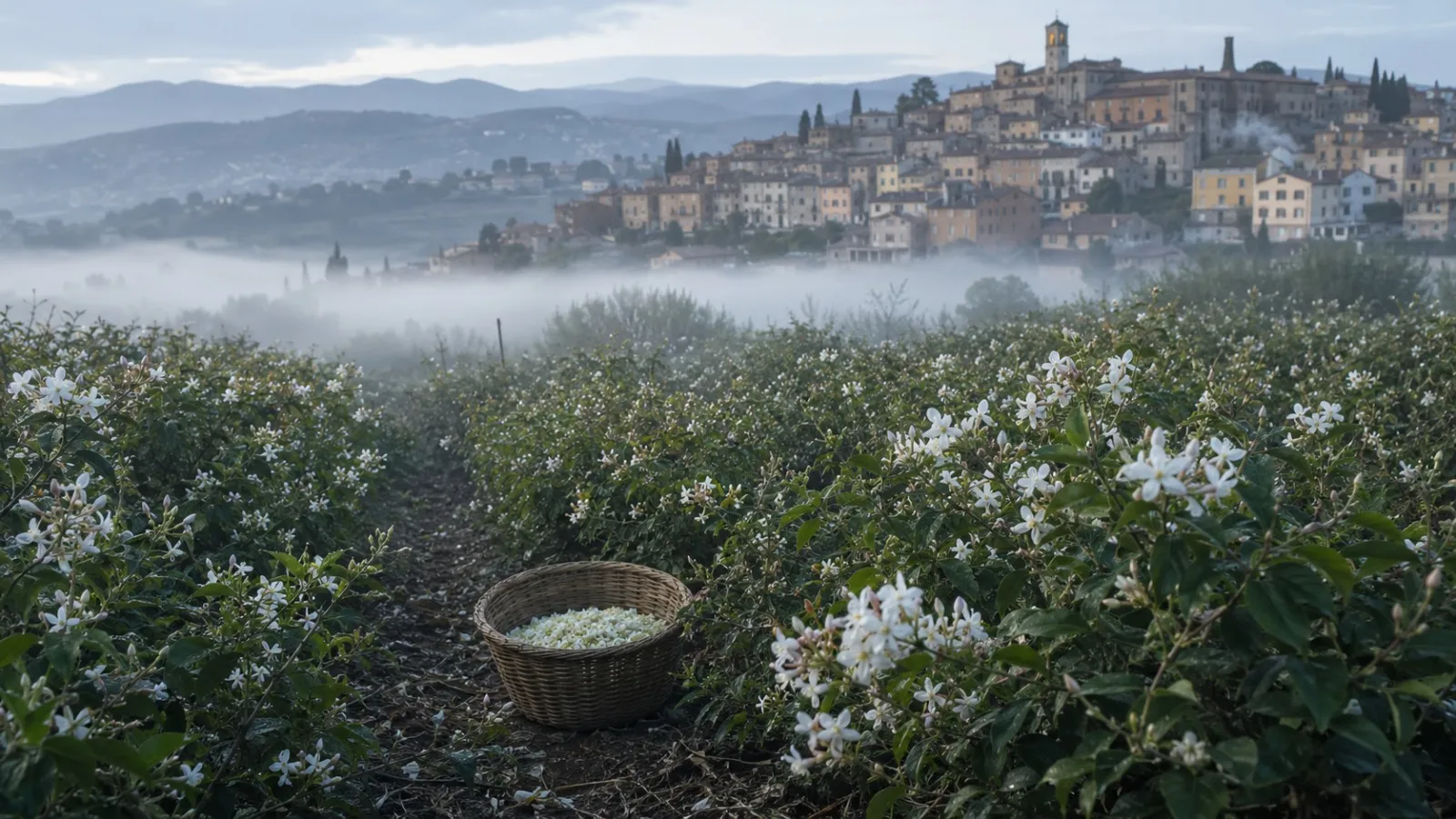
An origin guide to Grasse, the town in Provence long associated with French perfumery. How its climate, flowers, and craft traditions shape the floral fragrances many people love — and where to go next if this is your kind of scent.
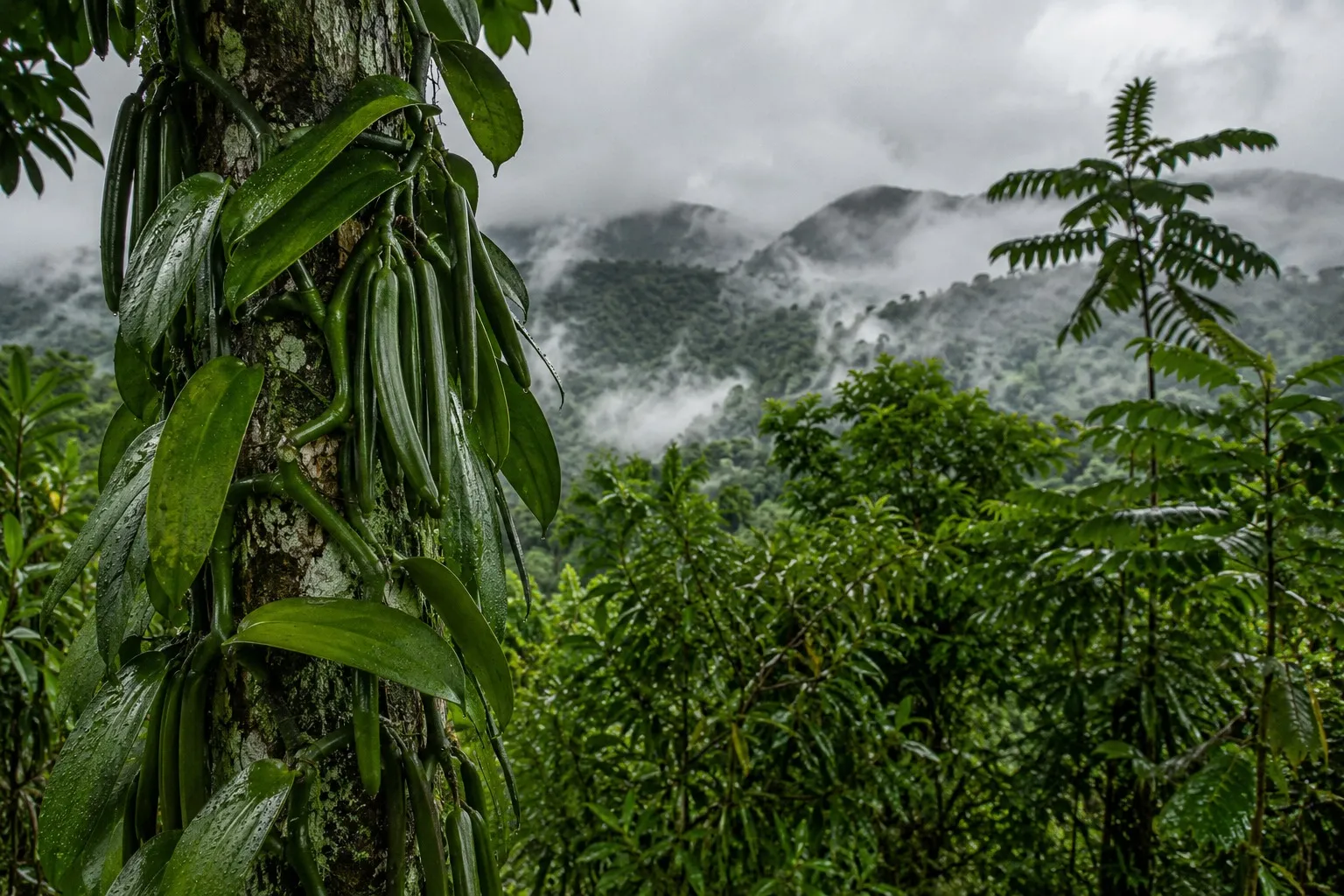
An origin guide to Madagascar, the island whose hand-pollinated orchids and months-long curing tradition produce the vanilla behind modern gourmand perfumery. Why real vanilla is one of the most labour-intensive materials in fragrance — and where to go next if this is your kind of scent.
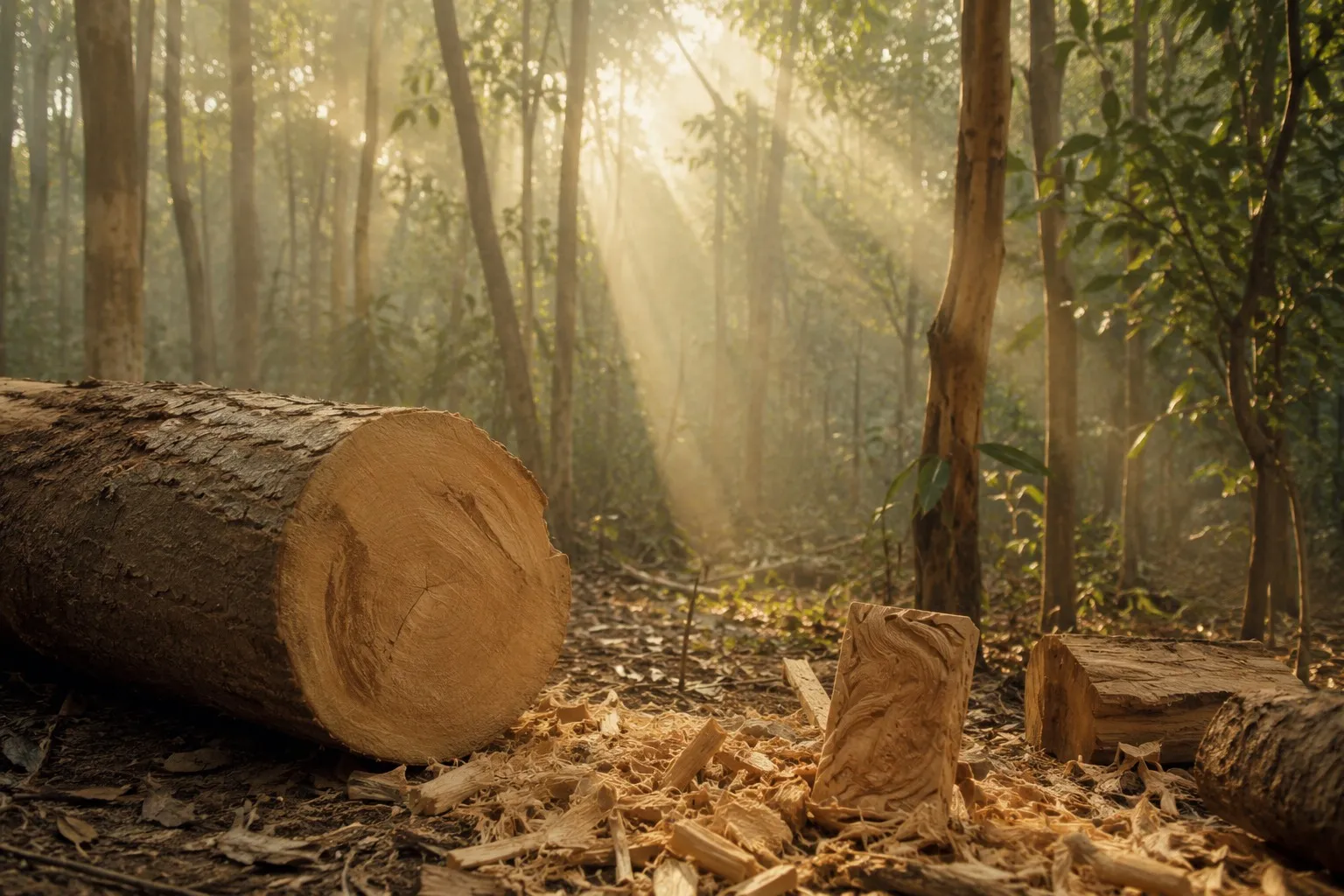
An origin guide to Mysore, the city in southern India whose name became shorthand for the finest sandalwood in perfumery. How a slow-growing tree, a protected resource, and centuries of craft shaped the woody family — and where to go next if this is your kind of scent.
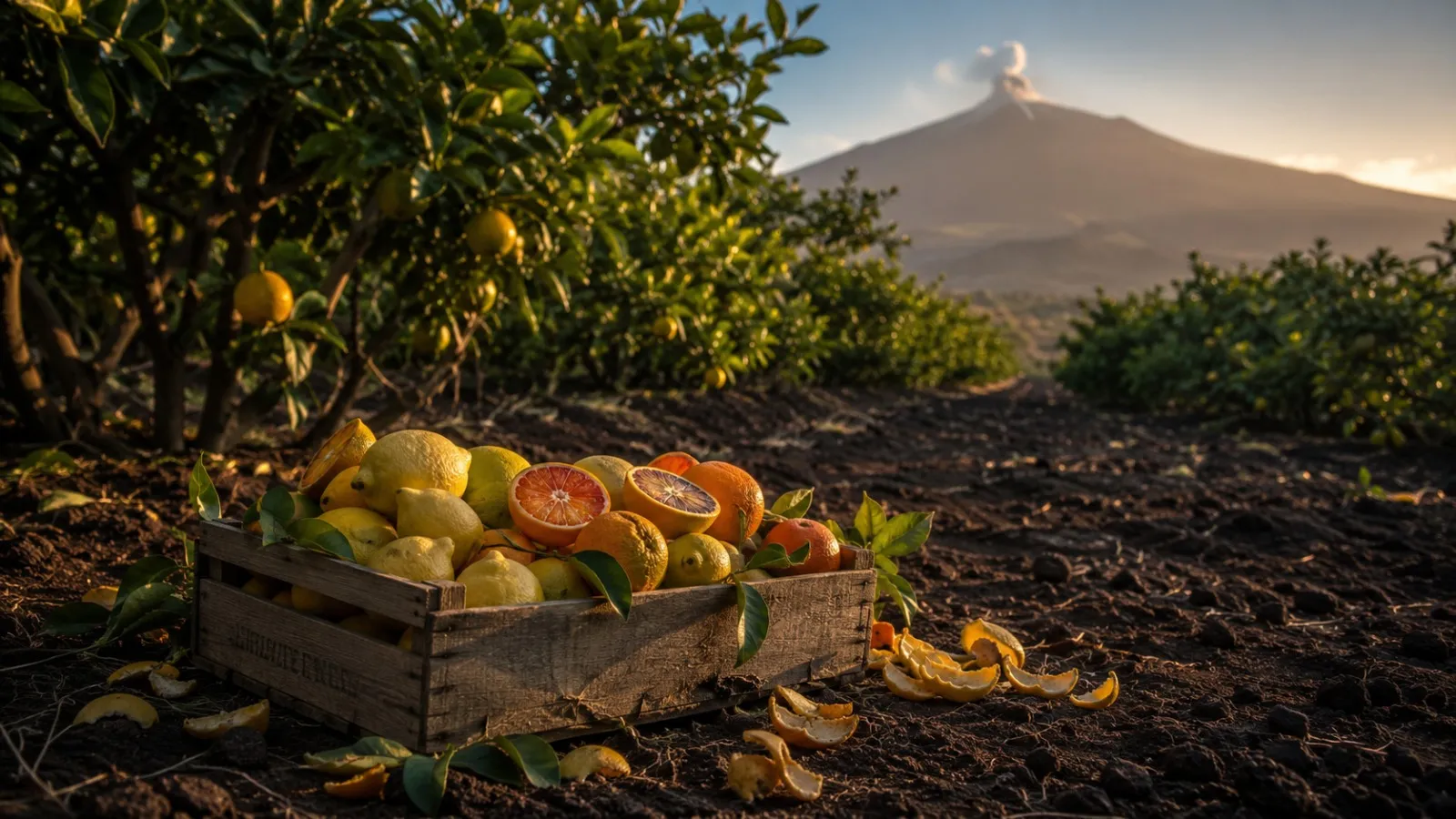
An origin guide to Sicily, the Mediterranean island whose lemons, bitter oranges, and blossom have shaped green and aromatic perfumery. How centuries of citrus growing turned an island into a scent — and where to go next if this is your kind of fragrance.

A research-based guide to six directions of vanilla fragrance — balanced, creamy floral, dessert-like, dark and spicy, tropical, and tobacco-led — with honest trade-offs and no retailer links until verified ones are ready.
A calm guide to preserving perfume by choosing storage that is cool, dry, dark, and stable.
A multi-wear sampling method for understanding development, comfort, projection preference, and real-life fit.
In the editorial calendar
A material vocabulary
Notes describe recognizable facets within a composition. Their character changes with quality, concentration, context, and pairing.
A warm, balsamic note that can feel creamy, softly sweet, smoky, or spiced depending on the composition.
Full note guide coming soonA resinous material associated with Aquilaria wood, often interpreted through woody, leathery, smoky, or animalic facets.
Full note guide coming soonA fragrant citrus peel note with bright, floral, green, and gently bitter facets, often used to lift an opening.
Full note guide coming soonA white-floral note that can range from airy and tea-like to rich, creamy, green, or deeply indolic.
Full note guide coming soonA smooth woody note known for creamy, soft, milky, and lightly spiced facets that can give a base quiet depth.
Full note guide coming soonA many-sided floral note that may feel fresh, green, fruity, honeyed, powdery, or spiced depending on its treatment.
Full note guide coming soonThe considered edit
Considered selections organised by fragrance family, occasion, season, and character are beginning to arrive, starting with the vanilla edit.
Wear and care
A considered fragrance ritual protects the composition, respects the setting, and leaves enough space to notice how the scent develops.
Apply to clean, moisturised skin once the moisturiser has settled.
Avoid rubbing the wrists together; allow the opening to settle on its own.
Keep fragrance away from heat and direct sunlight. Read the complete perfume storage guide .
Lighter compositions can feel more comfortable during warmer weather.
Use fragrance thoughtfully, especially in close or shared spaces.